Reading The Clouds
Each recorded smell becomes a field of fine particles. Denser clouds indicate higher perceived intensity; wider clouds indicate dispersed observations
Hello, my name is
Nosy Researcher, Shrewsbury International School Bangkok
I’m exploring Bangkok through my nose.
I call this project Nosyscape—an experiment in reading the city nose-first.
Can we understand how a city is changing through smell?
We usually read cities through what we can see: buildings, streets, maps, skylines. I’m curious about something less visible: smell.
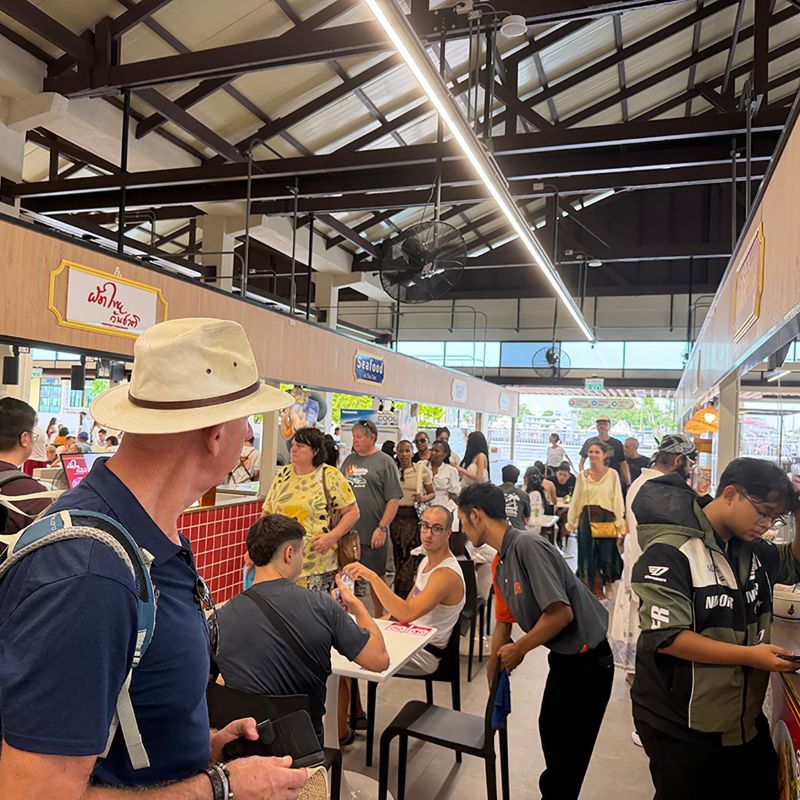
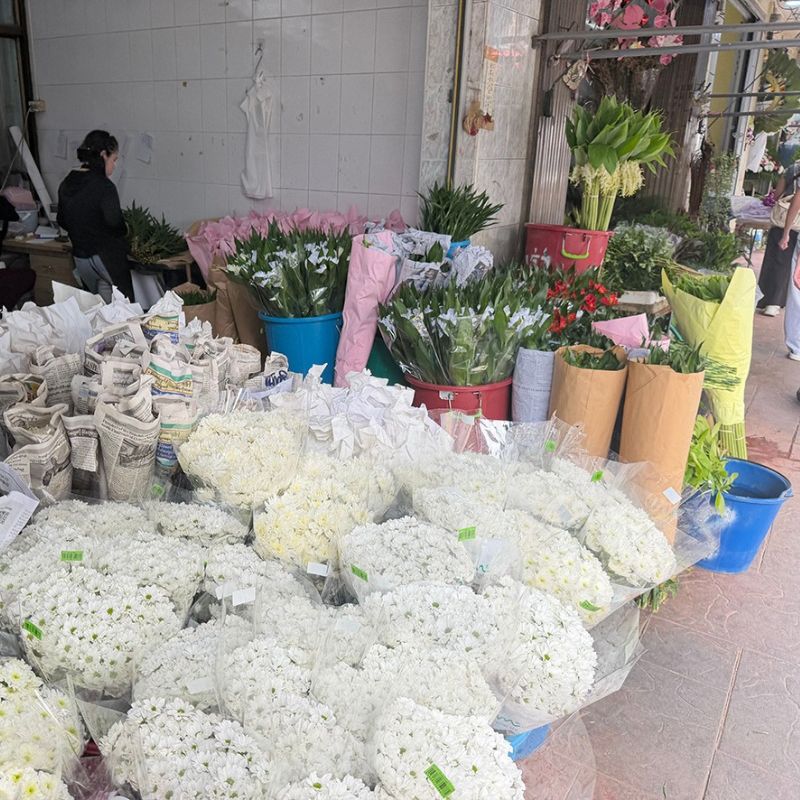
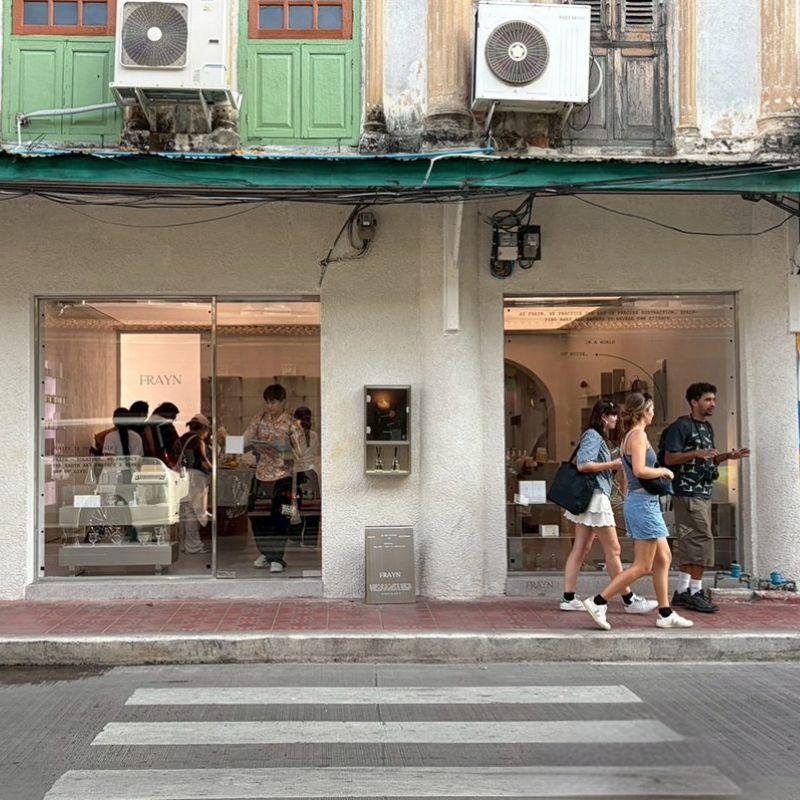
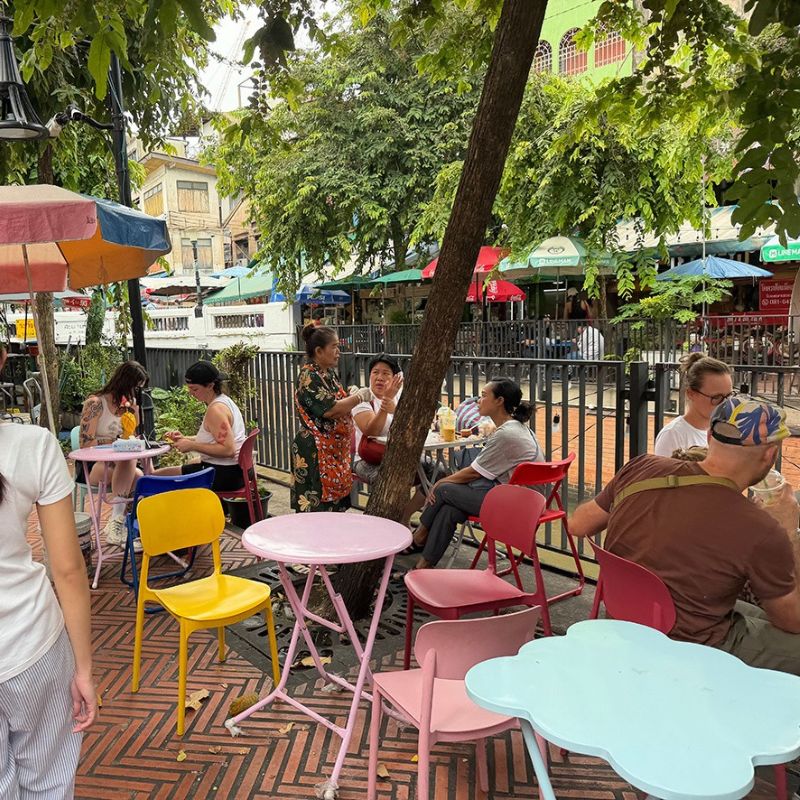
I started with four historic Bangkok neighbourhoods, walking, sniffing, interviewing, and mapping what my nose picked up: dried seafood in Tha Tien, jasmine at Pak Khlong Talat, Indian spices along Ong Ang Canal, and cinnamon in Song Wat before sunrise.
I’m not the first to get nosy about cities. J. Douglas Porteous introduced the smellscape; Victoria Henshaw explored smell and urban experience; and Kate McLean’s smellwalks and sensory maps showed me how scent could be mapped. What fascinates me is how subjective smell is: the same scent can unlock completely different memories and stories. Leading smellwalks around Bangkok, I found that smell is a brilliant conversation starter, about childhood, food, work, culture, and neighbourhood change.
Noses aren’t scientific instruments. Smells shift with rain, heat, wind, and time of day, and what I smell may not be what you smell. So I returned to the same places, compared observations, and listened to people who know these neighbourhoods. These maps aren’t definitive; they’re sensory snapshots: part fieldwork, part memory, part conversation.
Nosyscape is my attempt to catch these invisible traces before they drift away and see what our noses can tell us about a changing city.